Gábor Svagrik
From the conversation
An editorial summary informed by Vimeo’s AI captions—not a verbatim transcript.
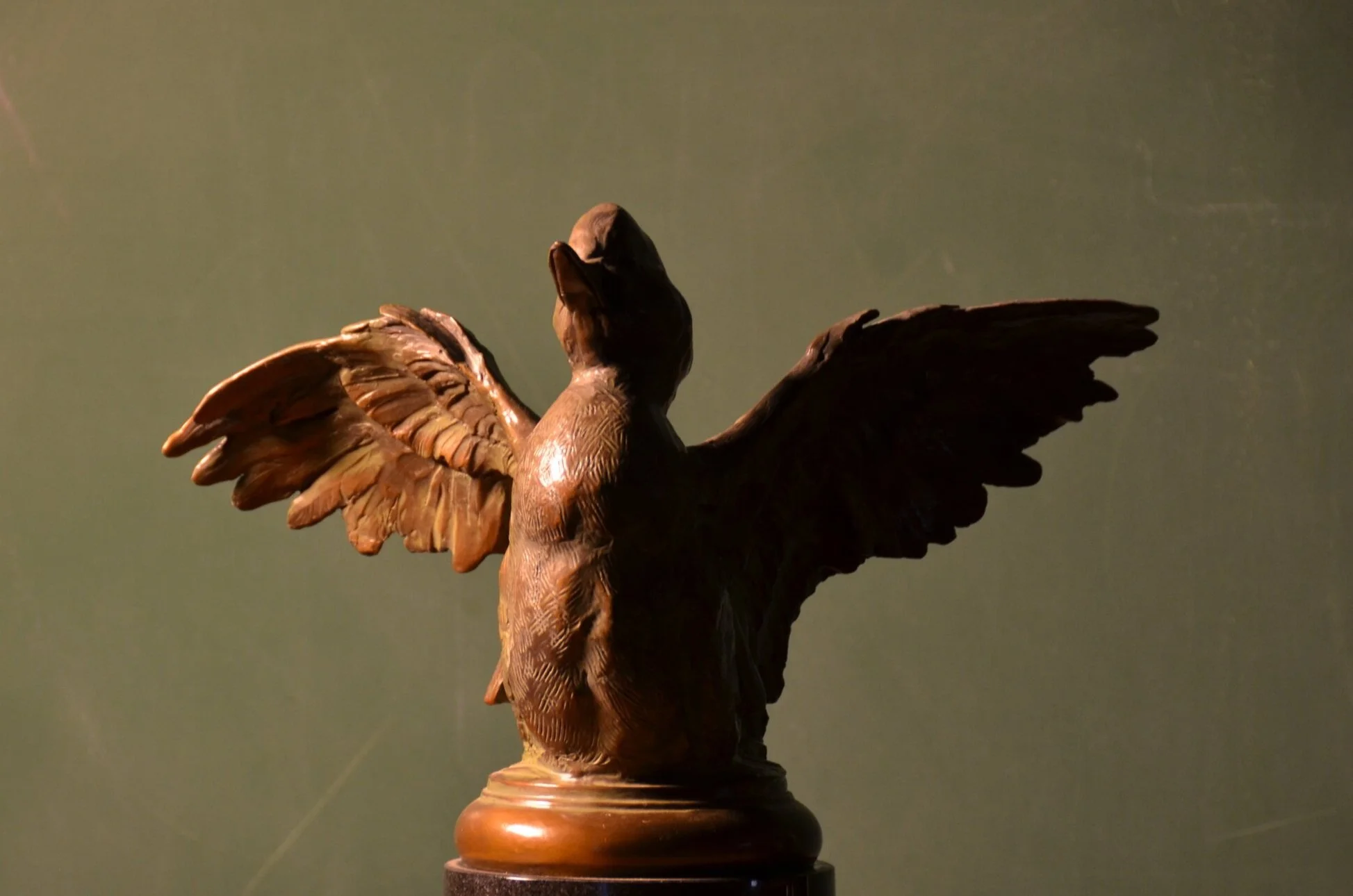
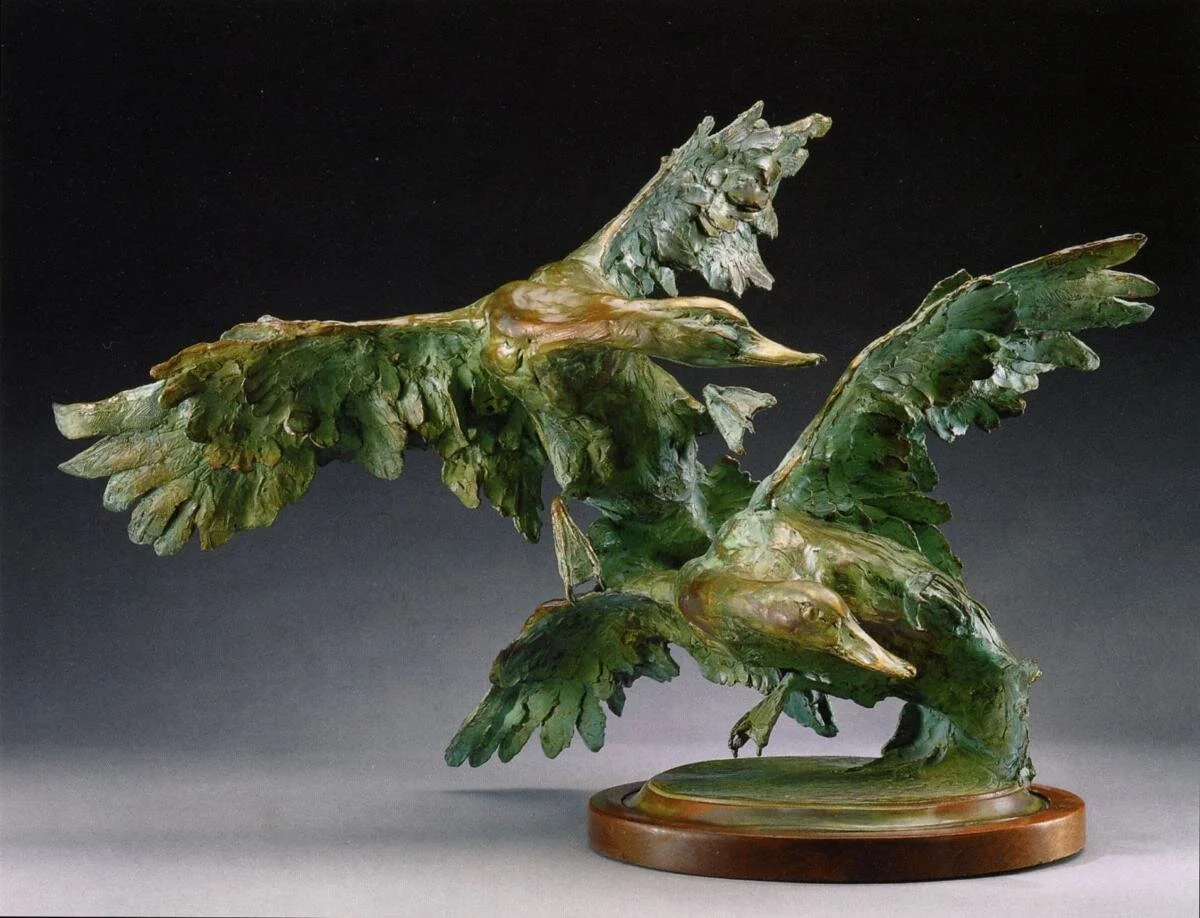
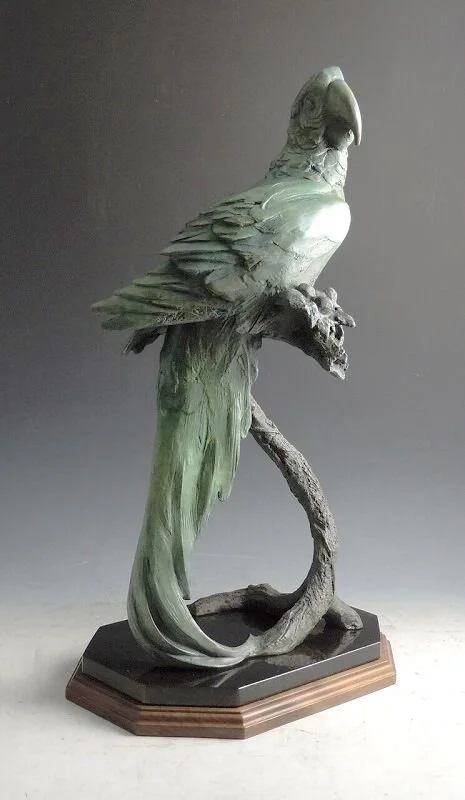
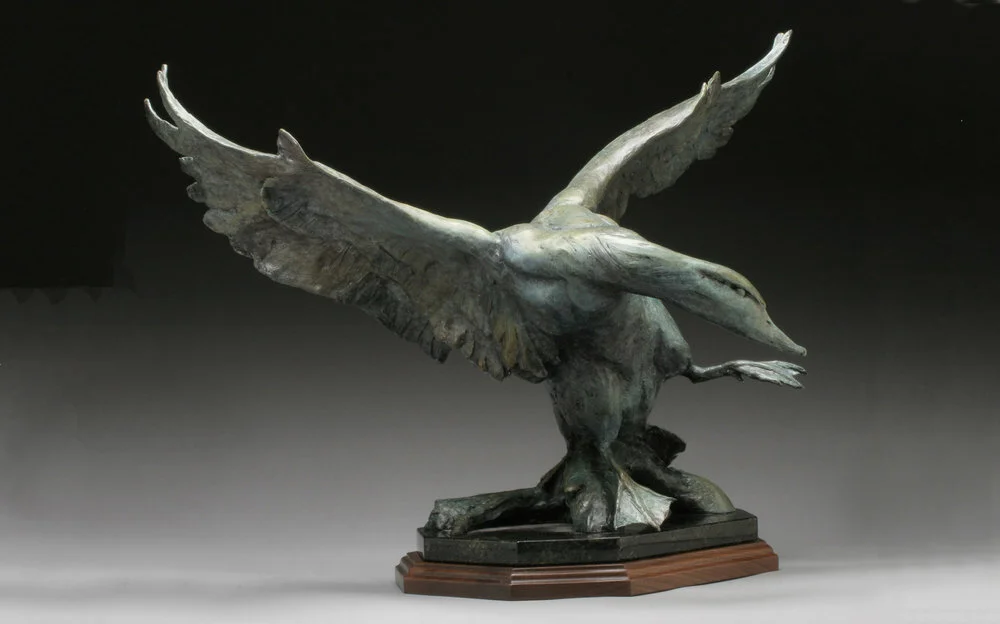
Sandy Scott, born in Dubuque, Iowa in 1943 and raised near Tulsa, traces her path from a strong high-school art program and printmaking to bronze after seeing the Terracotta Warriors in Xi’an in 1981. She describes teaching herself bird sculpture, inventing armatures, picturing the finished piece before she starts, and looking to Barye, Bob Kuhn, and earlier figurative art rather than copying living contemporaries.
Renowned wildlife sculptor Sandy Scott shares her remarkable 40+ year journey from printmaker to celebrated bronze artist in this intimate conversation. Born in Dubuque, Iowa in 1943, Scott discusses the pivotal moments that shaped her career, including a life-changing 1981 trip to China where she witnessed the newly discovered Terracotta Warriors—an experience that inspired her transition to three-dimensional art.
Key Insights from This Interview
- How a high school mentor and the Kansas City Art Institute shaped her artistic foundation
- The profound impact of seeing the Xi'an Terracotta Warriors in 1981
- Why she transitioned from printmaking to sculpture for economic and artistic reasons
- Her self-taught approach to bird sculpture and developing specialized armatures
- The importance of envisioning the finished piece before starting
- How the rise of representational art has elevated Western and wildlife sculpture
- Advice for aspiring sculptors on workshops, galleries, and selling strategies
- Her artistic influences from Barye to Bugatti and lessons from Bob Kuhn
About Sandy Scott's Process
Scott reveals her philosophy that sculpture can be taught mechanically, but creating art requires another dimension. She emphasizes the critical importance of the “block-in” stage and explains why she often works on multiple pieces simultaneously, setting aside works until she achieves clarity on how to finish them. Her favorite part of sculpture remains capturing the big shapes and dynamics rather than finishing details—a testament to her focus on artistic vision over technical execution.
This conversation has been preserved from the original Sojourn Fine Art archive.