CONVERSATIONS

Stories - Inspirations - Education

Gabor Svagrik Gabor Svagrik

John Singer Sargent - En route pour la pêche (Setting Out to Fish), 1878

John Singer Sargent painted this when he was only 22 years old. What an incredible painting for that age. Enjoy this visual journey!

This painting is in the collection of the National Gallery of Art

About the Painting

Created in 1878 during Sargent's time in France, "En route pour la pêche" (Setting Out to Fish) captures a moment of daily life along the Brittany coast. The painting depicts Breton fisherwomen heading to work, carrying baskets and fishing equipment, with their children accompanying them. The scene reflects Sargent's deep interest in capturing authentic moments of working-class life, a theme popular among Realist painters of the period.

Historical Context

John Singer Sargent (1856-1925) was just 22 years old when he painted this masterwork. At this point in his career, the American-born artist was studying in Paris under the renowned portrait painter Carolus-Duran. During the summer of 1878, Sargent traveled to Cancale, a fishing village in Brittany, where he found inspiration in the local community and maritime culture. This painting represents one of his earliest significant works and demonstrates the remarkable skill he possessed even in his youth.

Artistic Techniques and Style

The painting showcases Sargent's brilliant handling of light and atmosphere. His brushwork is both bold and refined, capturing the texture of the women's clothing, the weight of their baskets, and the soft, diffused coastal light. The color palette features earthy browns and blues, with touches of white that suggest the sea foam and clouds. His technique shows influence from both Impressionism and Realism, blending loose, expressive strokes with careful attention to form and composition.

The painting measures 31 1/2 x 48 inches (80 x 121.9 cm) and was executed in oil on canvas. Sargent's ability to capture movement and the everyday dignity of his subjects is particularly evident in the confident postures of the women and the natural placement of the child.

Why This Painting Matters

This work is significant for several reasons. First, it demonstrates Sargent's precocious talent - few artists at age 22 could handle composition, light, and human figures with such sophistication. Second, it shows his interest in genre painting before he became famous primarily as a society portrait artist. Third, the painting reveals his connection to the French Realist tradition while maintaining his own unique vision.

The work was well-received when exhibited at the Paris Salon, helping to establish Sargent's reputation in European art circles.

Frequently Asked Questions

How old was John Singer Sargent when he painted Setting Out to Fish?

John Singer Sargent was only 22 years old when he created this painting in 1878, showcasing his extraordinary talent at a young age.

Where is Setting Out to Fish displayed?

The painting is housed in the permanent collection of the National Gallery of Art in Washington, D.C., where visitors can view it in person.

What technique did Sargent use for this painting?

Sargent used oil on canvas, employing a blend of Impressionist and Realist techniques with loose, expressive brushwork combined with careful attention to composition and form.

Where was the painting created?

The painting was created in Cancale, a fishing village in Brittany, France, during the summer of 1878 when Sargent was spending time studying the local fishing community.

What is the size of the painting?

The painting measures 31 1/2 x 48 inches (80 x 121.9 cm).

What art movement is this painting associated with?

The work bridges Realism and Impressionism, showing Sargent's interest in capturing authentic daily life while using modern painting techniques.

Why is this painting historically significant?

This painting is one of Sargent's earliest major works and demonstrates his exceptional talent at just 22 years old. It also represents an important phase before he became renowned primarily as a society portrait painter, showing his interest in everyday life and genre scenes.

Read More
Gabor Svagrik Gabor Svagrik

Josh Elliot - Grandeur Exhibition

Josh Elliot's paintings are absolutely breathtaking. The poetry in these pieces is incredible, and the color palettes used to make them even more stunning to look at!

I had a chance to speak with Josh about his new exhibit at Glaggett Ray Gallery, where we discussed how he created such large-scale works of art that can be so beautifully seen from every angle. Not many artists get this perfect balance between beauty, size/magnitude, technique... everything!!

To learn more, Click Here

About Josh Elliot

Josh Elliot is a contemporary American landscape painter known for his breathtaking large-scale oil paintings that capture the grandeur and poetry of the American West. Based in the Rocky Mountain region, Elliot has developed a distinctive style that balances technical precision with emotional resonance, creating works that invite viewers to experience the majesty of natural landscapes.

The Grandeur Exhibition at Claggett Rey Gallery

The Grandeur Exhibition showcases Josh Elliot's most ambitious and striking landscape paintings. Held at the prestigious Claggett Rey Gallery, this exhibition features large-scale works that demonstrate Elliot's mastery of light, atmosphere, and composition. The exhibition takes its name from the overwhelming sense of scale and beauty that characterizes both the landscapes depicted and the physical presence of the paintings themselves.

Artistic Approach and Technique

Elliot's paintings are distinguished by several key elements. His use of color is both bold and subtle, with carefully selected palettes that enhance the emotional impact of each scene. He works primarily in oil on canvas, often creating pieces that measure several feet in width and height, allowing viewers to fully immerse themselves in the landscape experience.

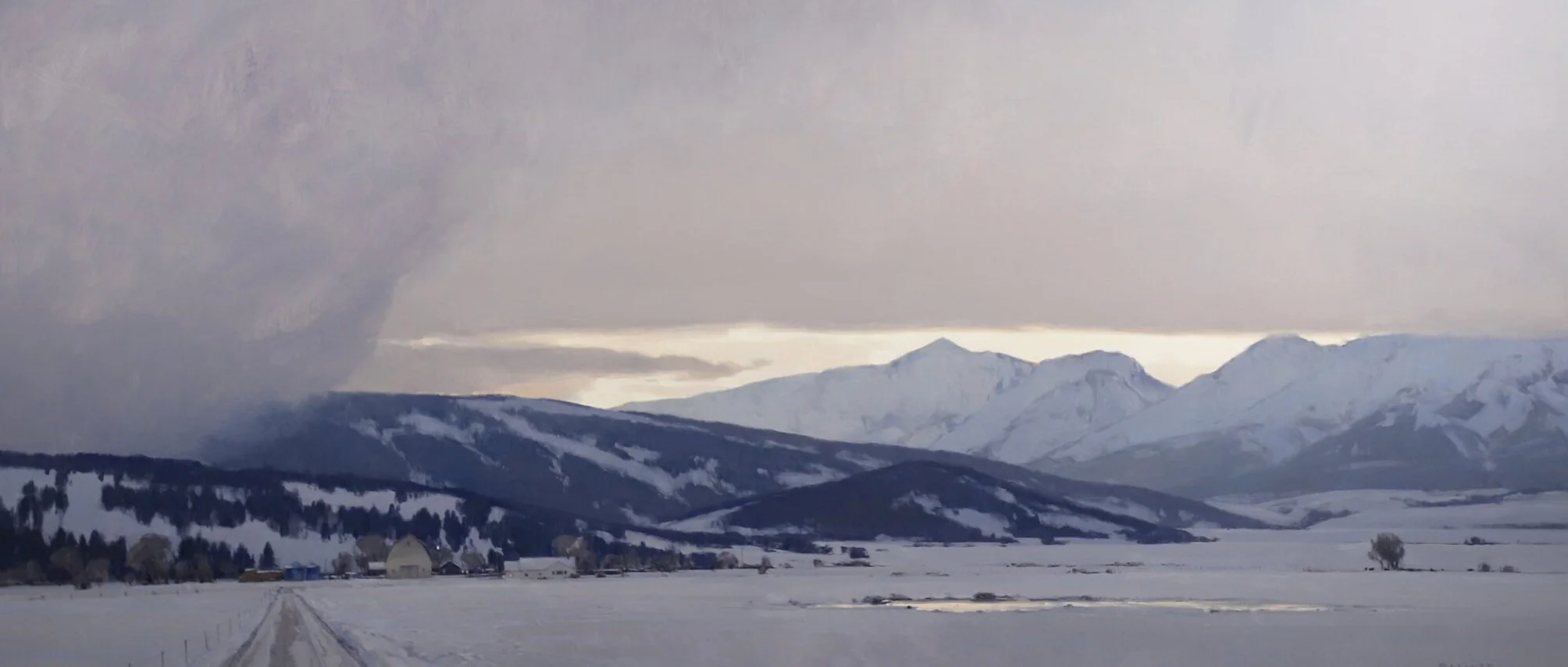
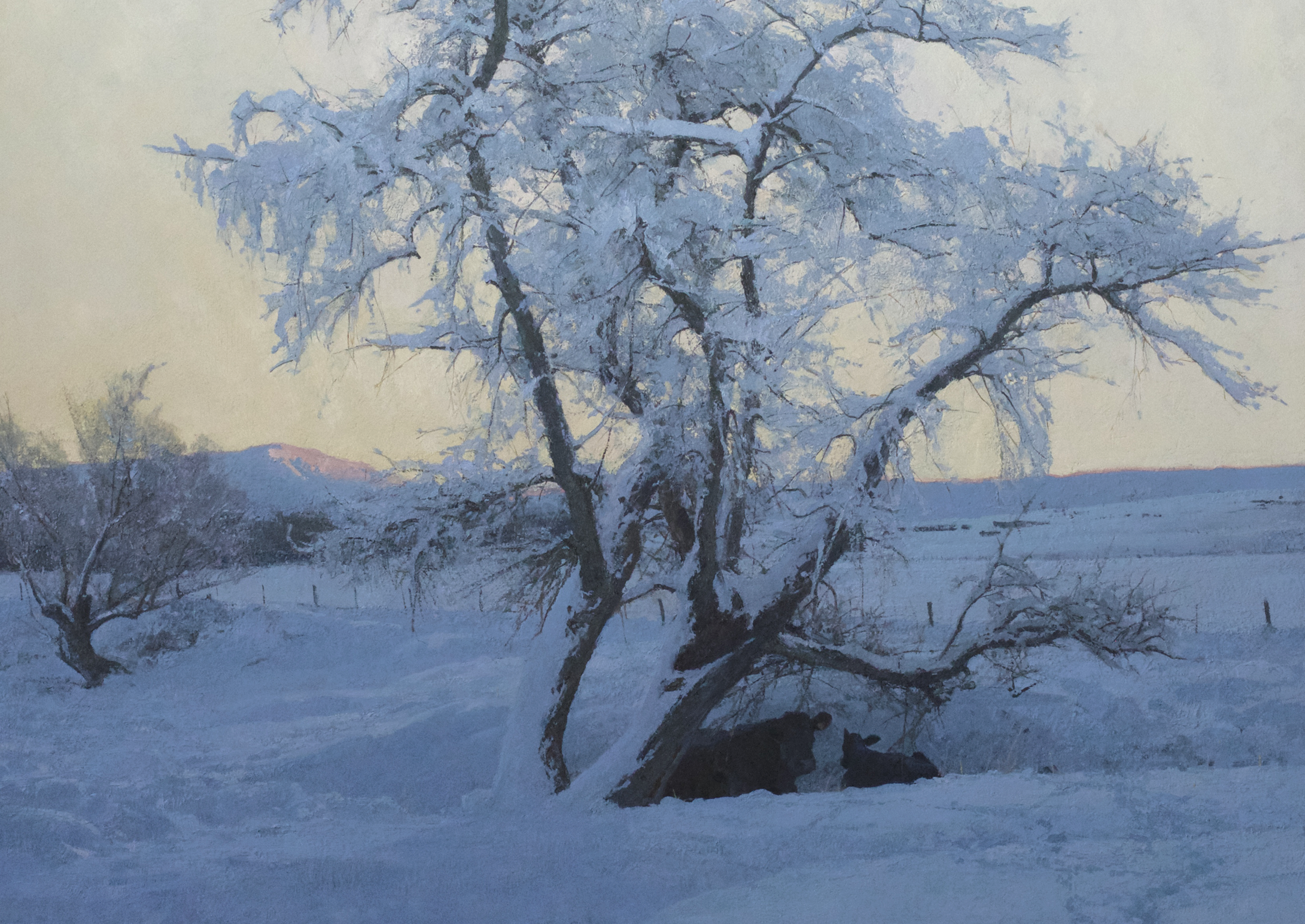
One of Elliot's signature techniques is his ability to capture light at different times of day and in various weather conditions. Whether depicting the golden glow of sunrise over snow-covered peaks or the dramatic shadows of storm clouds moving across vast valleys, his work demonstrates a deep understanding of atmospheric effects and natural lighting.

Why These Paintings Matter

Josh Elliot's work represents a continuation of the American landscape painting tradition while bringing contemporary sensibilities to the genre. His paintings remind viewers of the importance of preserving and appreciating natural spaces, while also serving as meditations on beauty, scale, and our relationship with the environment. The technical excellence combined with emotional depth makes his work accessible to both art collectors and casual viewers alike.

Frequently Asked Questions

Who is Josh Elliot?

Josh Elliot is a contemporary American landscape painter known for his large-scale oil paintings of the American West, particularly the Rocky Mountain region.

Where is the Grandeur Exhibition located?

The Grandeur Exhibition is held at Claggett Rey Gallery.

What style of painting does Josh Elliot create?

Josh Elliot creates large-scale landscape oil paintings primarily focused on American Western landscapes, especially the Rocky Mountain region.

What medium does Josh Elliot work in?

Josh Elliot works primarily in oil on canvas, creating large-scale paintings that can measure several feet in both width and height.

What makes Josh Elliot's paintings unique?

Elliot's work is distinguished by his masterful handling of light and atmosphere, his ability to capture landscapes from multiple viewing angles, and his balance between technical precision and emotional resonance.

What subjects does Josh Elliot paint?

Elliot focuses on landscape paintings featuring mountains, valleys, snow-covered peaks, and dramatic weather conditions typical of the American West and Rocky Mountain region.

Where can I see Josh Elliot's work?

Josh Elliot's work can be viewed at Claggett Rey Gallery, where the Grandeur Exhibition is on display, as well as through various galleries representing his work.


Read More
Gabor Svagrik Gabor Svagrik

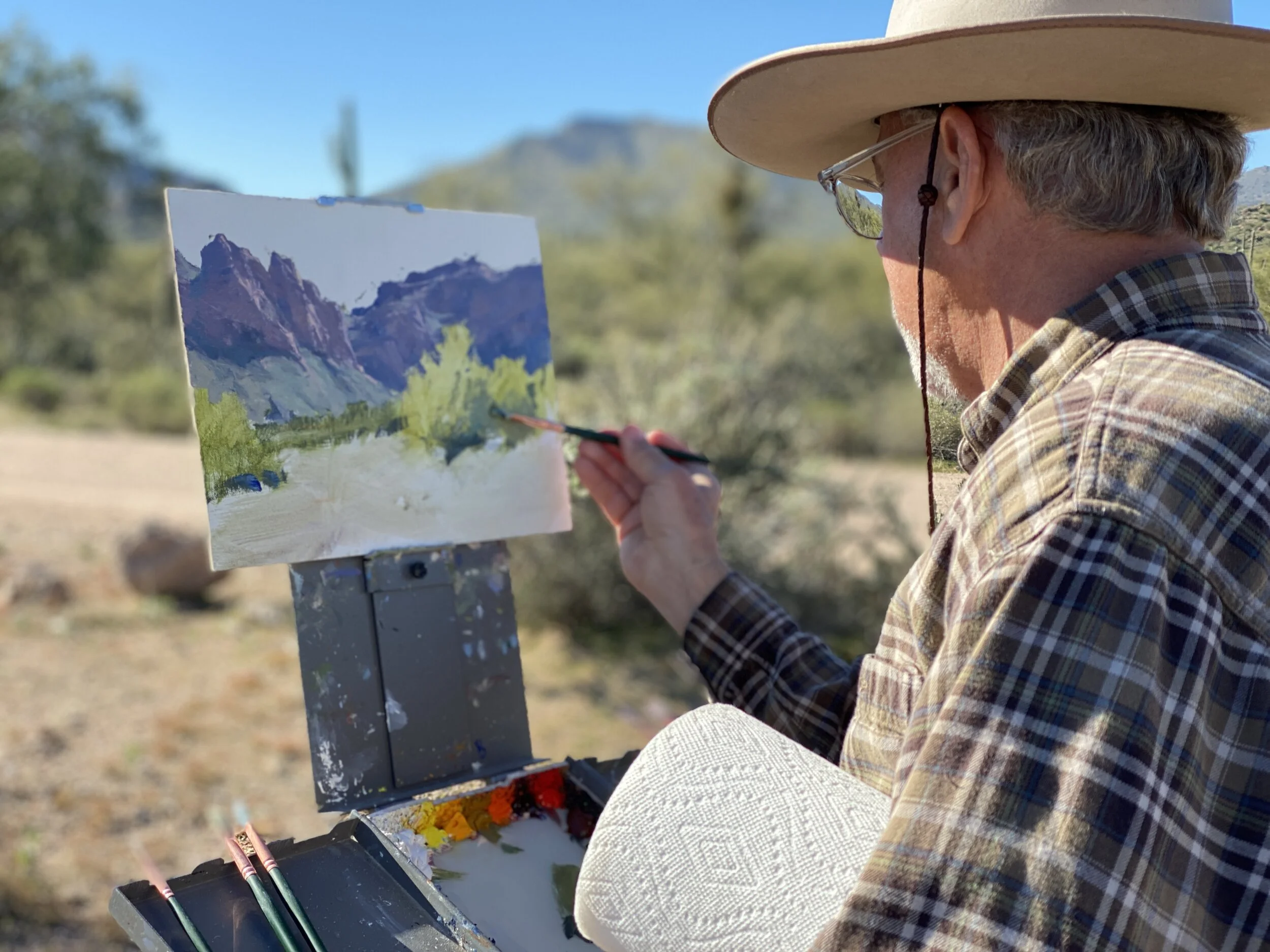
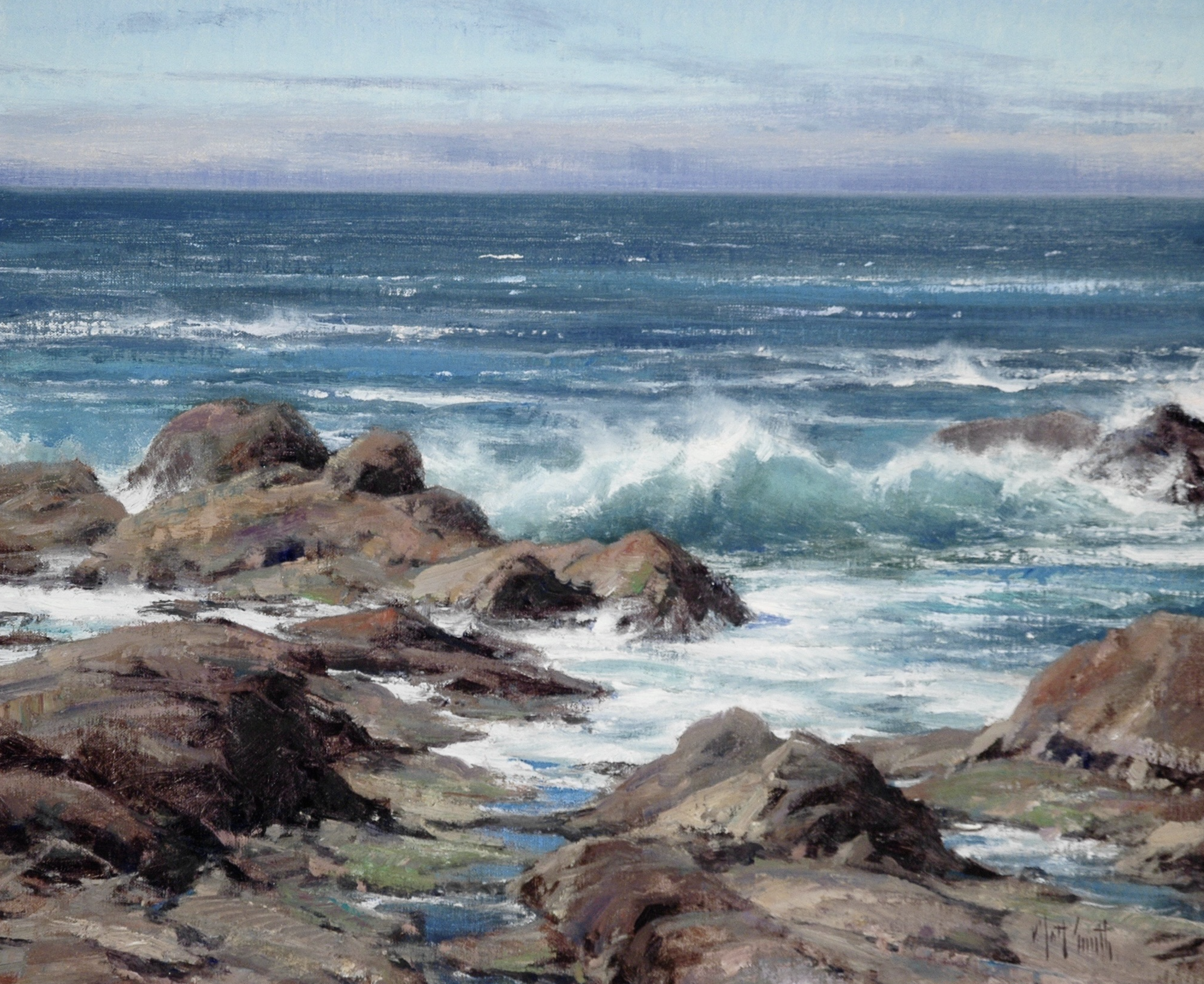
Matt Smith Landscape Artist: Painting Arizona's Remote Canyons

Follow landscape artist Matt Smith on an off-road adventure through southern Arizona's remote canyon country. This video showcases the journey, preparation, and artistic process behind his stunning plein air paintings of the Southwest's most pristine desert landscapes.

Matt Smith has established himself as one of the Southwest's most compelling landscape painters, distinguished by his commitment to painting en plein air in Arizona's most inaccessible canyon wilderness. His work represents a continuation of the great American landscape tradition, combining technical mastery with an intimate knowledge of the region's geological and atmospheric subtleties.

This documentary film offers collectors and enthusiasts a rare glimpse into Smith's creative process, following his expedition deep into southern Arizona's remote canyon country. The film reveals not merely the finished canvases, but the profound dedication required to capture these pristine locations—the extensive preparation, the physical demands of accessing remote sites, and the artist's ability to distill the essence of place into works of enduring power and authenticity.

Matt Smith's Place in Contemporary Western Art

Smith's work occupies a distinctive position within contemporary Western landscape painting, bridging traditional plein air practice with a modernist sensibility. His canvases demonstrate a sophisticated understanding of atmospheric perspective and light's transient qualities, executed with the immediacy that can only be achieved through direct observation. Collectors value Smith's paintings for their authenticity—each work represents not merely technical proficiency, but a genuine engagement with place, captured in conditions that demand both physical endurance and artistic discipline., and the distinctive red and orange hues that define the Sonoran Desert landscape. Smith ventures deep into backcountry areas that are accessible only by off-road vehicles, seeking unspoiled vistas that few other artists have the opportunity to capture.

The Significance of Plein Air Practice

Working en plein air distinguishes Smith's practice from studio-based interpretation. The plein air tradition—painting directly from nature—imbues each canvas with qualities impossible to replicate from photographic reference: the precise temperature of color, the nuanced gradations of atmospheric perspective, and the authentic sense of light at a specific moment. For discerning collectors, this translates to paintings that possess an immediacy and vitality, works that bear witness to the artist's direct communion with the landscape rather than secondhand reconstruction.hicles, supplies for extended stays, and careful planning around weather conditions. This commitment to authenticity and adventure distinguishes his work from studio-based landscape painting.

Why Paint Outdoors Instead of From Photographs?

Plein air painting allows artists like Matt Smith to experience and capture qualities that photographs cannot fully convey—the temperature of the air, the scent of desert plants, the true color relationships in natural light, and the three-dimensional depth of a landscape. These sensory experiences inform every brushstroke, creating paintings with an authenticity and immediacy that resonates with collectors and art enthusiasts.

Collecting Matt Smith

Smith's work appeals to collectors who value authenticity and the continuation of American landscape painting traditions. His canvases document not only Arizona's remarkable topography but also represent a singular artistic vision—one forged through years of intimate engagement with the Southwest's most remote and compelling terrain. Works are available through Sojourn Fine Art and select galleries. For inquiries regarding available paintings or commission opportunities, please contact us directly.

Read More
Gabor Svagrik Gabor Svagrik

Ned Mueller's - Central America Journey

Ned Mueller has been painting for over fifty years. All those years have taken him to some of the most beautiful places on this planet. In this talk, he will share his experiences in Central America through a visual journey. We hope this video will inspire you to take your trip to places that will inspire you for years to come.

Read More
Gabor Svagrik Gabor Svagrik

T. Allen Lawson - Recollections & Reflections

Master Western landscape painter T. Allen Lawson shares intimate stories behind 53 paintings spanning 39 years in this exclusive 54-minute conversation about his major retrospective exhibition "Recollections & Reflections" at The Brinton Museum in Bighorn, Wyoming (May 15 - September 6).

What You'll Discover in This Interview

• The personal story behind painting the spot where he decided to propose to his wife

• His 3-year process creating a life-size Black Angus drawing using 11,520 individual squares

• Why he thinks in abstract terms even when painting representational landscapes

• How he uses music and color theory to create emotional depth in his work

• The technical philosophy behind his "thick and thin" paint application

About the Artist's Process

Tim discusses how creating art becomes "woven into the fabric of your being" and shares the intentional design decisions behind paintings that many viewers assume simply depict reality. From wilderness pack trips to frozen Wyoming mornings, discover the stories, techniques, and emotional connections that define four decades of capturing the American West.

Read More
Gabor Svagrik Gabor Svagrik

Steamboat Art Museum Show

Four master Western landscape painters—Ralph Oberg, Matt Smith, Skip Whitcomb, and Dan Young—gather for an intimate 55-minute conversation reflecting on 30 years of friendship, artistic growth, and painting the American West together. This candid discussion coincides with their groundbreaking exhibition "Four Directions Common Paths" at the Steamboat Art Museum in Steamboat Springs, Colorado (December 4th, 2020).

What You'll Discover in This Conversation

• How 30+ years of non-competitive friendship has shaped their artistic evolution

• Why plein air painting outdoors is essential to creating authentic studio work

• The role of failure and experimentation in developing as an artist

• How each artist's unique vision transforms the same landscape differently

• Personal stories from painting trips to remote wilderness areas

• The balance between photographic reference and direct observation

• Why community and peer support are crucial in what can be a lonely profession

About the Exhibition

This rare four-artist retrospective features decades of work from each painter, including personal collection pieces never before exhibited publicly, field studies from shared painting expeditions, and new work created specifically for the show. The artists discuss how their friendship has allowed them to grow collectively while maintaining their individual artistic voices—proving that art is about collaboration and mutual support, not competition.

Read More
Gabor Svagrik Gabor Svagrik

Simon Kogan - How I met Willam Reese

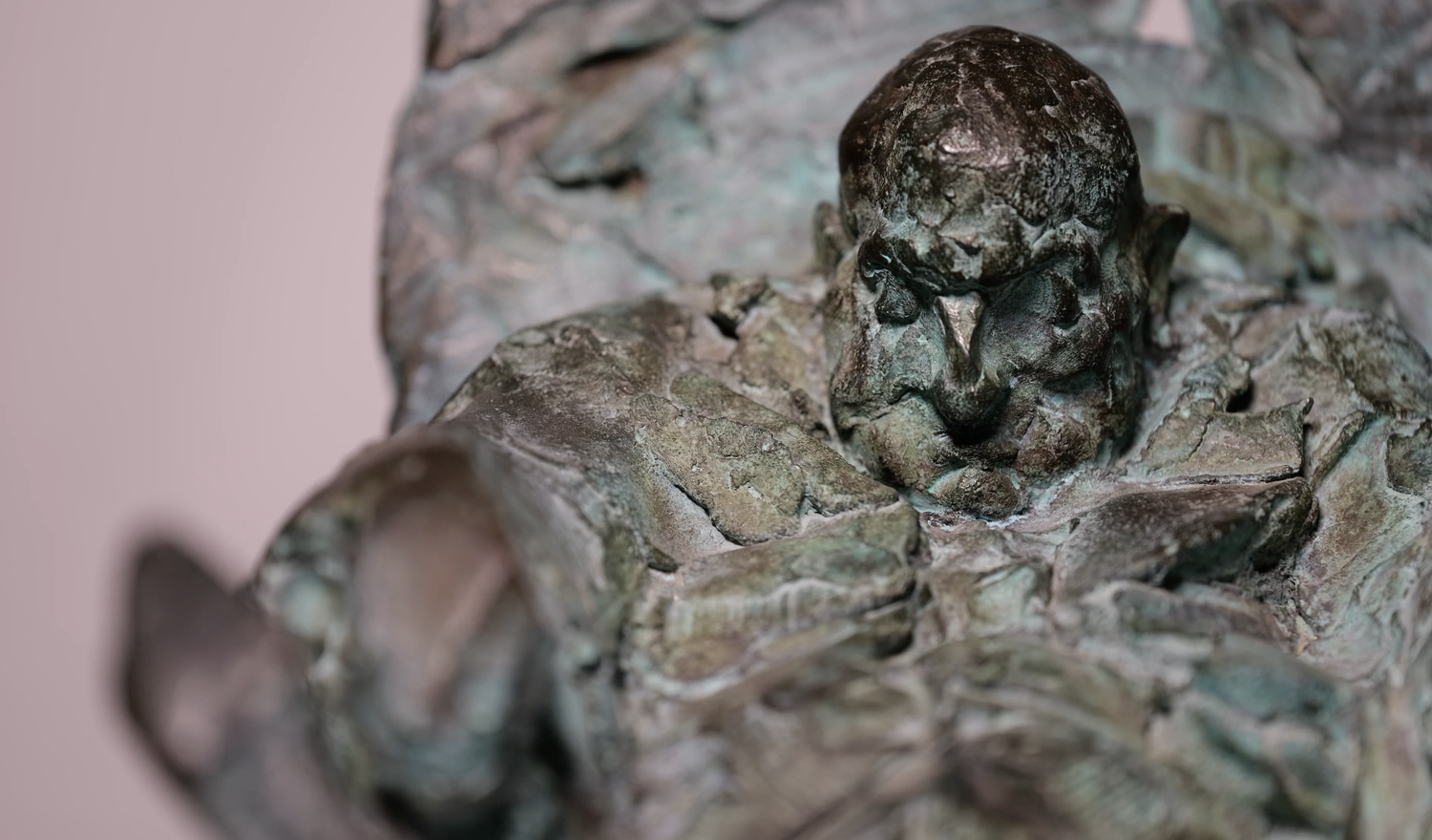
Sometimes life's most transformative relationships begin in the most unexpected places. For sculptor Simon Kogan, that place was a dentist's office in Centralia, Washington, in the mid-1990s.

Fresh to America as Russian refugees in 1995, Simon and his family faced a common immigrant challenge: finding healthcare. With only Medicare and few dentists willing to accept it, they drove 30 miles south for treatment. During the visit, the dentist overheard them speaking Russian and mentioned he collected Russian art—specifically, original drawings by Ilya Repin, one of Russia's most celebrated artists.

When Simon asked how this was possible, the dentist gave him a phone number: "Call this artist friend of mine. His name is Bill Reese."

Simon, who had a solo exhibition at the Jewish Community Center in Seattle at the time, called Bill and invited him to visit. A week later, the phone rang: "Simon, it's Bill. You have the best goddamn work. I lost my sleep over you."

For someone raised in Soviet culture where compliments were rare, Bill's words were unforgettable. This wasn't just praise—it was validation from a master who rarely gave it. Before they even met face-to-face, Bill began opening doors, introducing Simon to major exhibitions and a network of established artists.

Bill's recommendation carried weight. As he once told Simon: "You make sure who you recommend. You're putting your name on the line. Make a mistake once, and nobody will ever listen to you."

In this 18-minute conversation, Simon shares the full story of meeting Bill Reese, the legendary Western artist and mentor whose belief transformed his career. From a payphone call in Cashmere to Bill showing up unannounced at Simon's anatomy "boot camp," this is a testament to how mentorship, guidance, and genuine connection can define an artist's path. It's also a reminder that sometimes the most profound connections happen when we least expect them—even in a dentist's waiting room.

Simon Kogan - How I met Bill Reese

Read More
Gabor Svagrik Gabor Svagrik

Sandy Scott's Journey

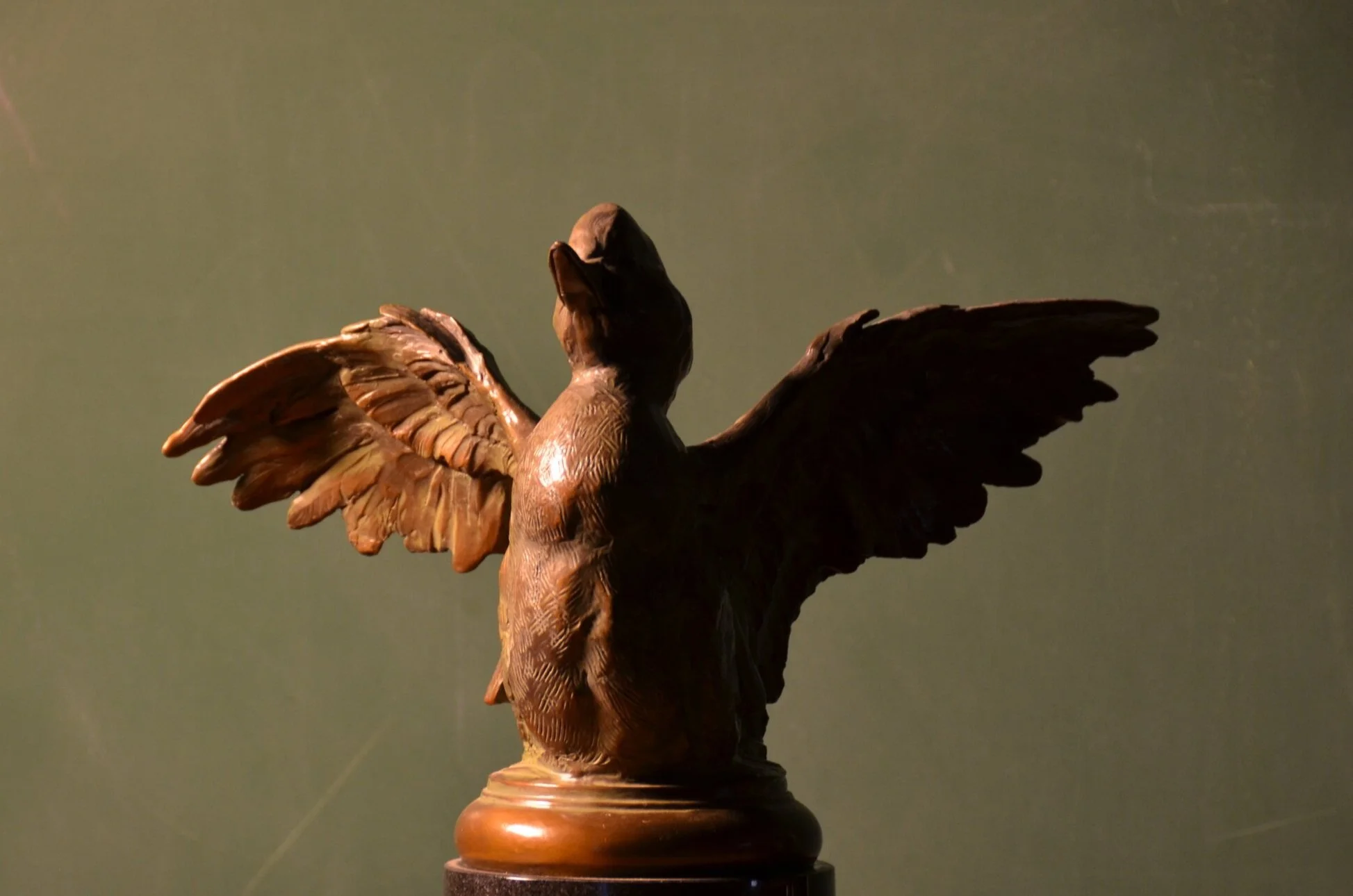
Renowned wildlife sculptor Sandy Scott shares her remarkable 40+ year journey from printmaker to celebrated bronze artist in this intimate conversation. Born in Dubuque, Iowa in 1943, Scott discusses the pivotal moments that shaped her career, including a life-changing 1981 trip to China where she witnessed the newly discovered Terracotta Warriors—an experience that inspired her transition to three-dimensional art.

Key Insights from This Interview

• How a high school mentor and the Kansas City Art Institute shaped her artistic foundation

• The profound impact of seeing the Xi'an Terracotta Warriors in 1981

• Why she transitioned from printmaking to sculpture for economic and artistic reasons

• Her self-taught approach to bird sculpture and developing specialized armatures

• The importance of envisioning the finished piece before starting

• How the rise of representational art has elevated Western and wildlife sculpture

• Advice for aspiring sculptors on workshops, galleries, and selling strategies

• Her artistic influences from Barye to Bugatti and lessons from Bob Kuhn

About Sandy Scott's Process

Scott reveals her philosophy that sculpture can be taught mechanically, but creating art requires another dimension. She emphasizes the critical importance of the "block-in" stage and explains why she often works on multiple pieces simultaneously, setting aside works until she achieves clarity on how to finish them. Her favorite part of sculpture remains capturing the big shapes and dynamics rather than finishing details—a testament to her focus on artistic vision over technical execution.

Read More
Gabor Svagrik Gabor Svagrik

Laura Robb's Journey

Acclaimed still life painter Laura Robb shares her 40+ year artistic journey in this intimate conversation. Born in Winfield, Kansas in 1955, Robb discusses her unconventional path from studying under Frank Reilly's rigorous value-based system in Tulsa to training with Michael Aviano in New York City at age 19, followed by years of guidance from master painter Richard Schmid.

Key Insights from This Interview

• Her early training in Frank Reilly's controlled value system and strings of grays

• Moving to Manhattan at 19 to study with Michael Aviano

• Four to five years of invaluable critique sessions with Richard Schmid

• Working across multiple mediums: oils, watercolors, pastels, and charcoal

• Why she works exclusively from direct observation for her still life paintings

• The importance of learning to "see as an artist sees"

• How flowers and still life subjects move more than viewers realize

• The appeal of John Singer Sargent's work, especially "The Breakfast Table"

• Advice on staying with one program until mastering fundamentals

About Laura Robb's Philosophy

Robb reveals why she believes the appeal of her still life work stems from direct observation rather than photographic reference—a quality viewers intuitively respond to even if they can't articulate why. She emphasizes that while cameras are valuable tools, artists must work from life extensively to understand the subtle differences cameras miss. Her advice to aspiring painters: focus on making your work better rather than the business side, keep life simple with minimal distractions, and stay committed to one solid teaching program before exploring others.

Read More